Understanding the framework behind healthier workplaces
Ergonomic furniture

Written by
Gareth Van Zyl
Contents
Offices are becoming more connected, more responsive and increasingly focused on employee wellbeing. As organisations continue to rethink how their workplaces function, the furniture that people interact with on a daily basis plays an increasingly important role in shaping the experience of work.
Long hours spent at desks, hybrid working patterns and evolving workplace expectations have all highlighted the need for environments that actively support how people work. Rather than being a purely functional consideration, ergonomic furniture is now recognised as an important part of creating healthier and more effective workplaces.
For organisations reviewing their workplace environments, understanding the principles behind ergonomic furniture helps ensure that design decisions support both employee wellbeing and business performance. When considered alongside broader workplace design, ergonomic furniture becomes part of a much larger framework for shaping modern offices.

What is ergonomic furniture?
Ergonomic furniture is designed to support the natural movement and posture of the human body. Instead of forcing people to adapt to rigid furniture designs, ergonomic products are built to adapt to the user.
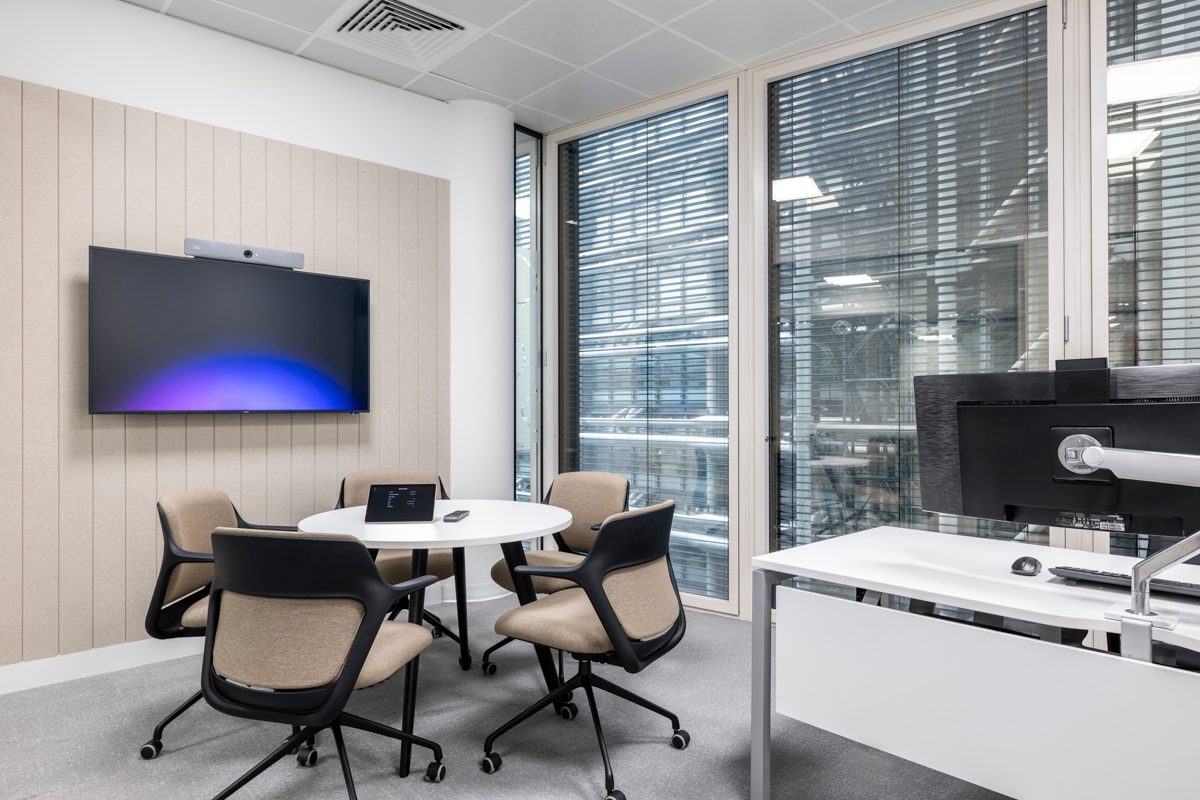
In workplace settings, this usually means furniture that can be adjusted to suit different body types, working styles and tasks. Chairs may offer adjustable lumbar support and seat height, desks may allow users to alternate between sitting and standing, and monitor arms can help position screens at the correct eye level.
The concept comes from the broader field of ergonomics, the science of designing environments that fit the people who use them. As explained in IBM’s research into smart workplaces, modern offices increasingly combine design and technology to create environments that respond dynamically to how people work.
At its core, ergonomic furniture aims to reduce strain, improve comfort and support healthier working habits throughout the day.
What makes furniture ergonomic?
Furniture is considered ergonomic when it is designed to support natural posture while allowing users to adjust their working position easily.
Typical characteristics include adjustable height, appropriate back support, flexible seating positions and the ability to adapt to different tasks. Ergonomic furniture also considers how the body moves during the day, encouraging users to change position rather than remaining static for long periods.
Guidance from the Health and Safety Executive emphasises that workplaces should be designed to fit the worker rather than forcing workers to adapt to poorly designed environments. When furniture supports natural posture and movement, it helps reduce strain and improve comfort over extended periods of work.
Do employers have a responsibility to provide ergonomic furniture?
Yes, although businesses do not explicitly use terms such as ‘ergonomic’, employers are required to provide equipment that supports good posture, prevents injury, and is adjustable to the individual.
Pieces of legislation that employers should consider include:
The Health and Safety (Display Screen Equipment) Regulations 1992: Often referred to as DSE Regulations. It mandates that employers conduct workstation risk assessments for anyone using a screen for continuous periods of an hour or more daily. It strictly requires chairs to be stable and have an adjustable seat height, alongside a backrest that adjusts in both height and tilt.
The Workplace (Health, Safety and Welfare) Regulations 1992: Regulation 11 of this framework dictates that employers must provide a "suitable seat" for any work that can realistically be done while sitting down, and that a footrest must be provided if the user cannot comfortably place their feet flat on the floor.
The Equality Act 2010: If an employee has a disability or a long-term musculoskeletal condition (such as chronic back pain), the employer is legally bound to make "reasonable adjustments." In a workplace context, this often necessitates providing highly tailored, specialised ergonomic furniture rather than standard office equipment.

The principles behind ergonomic design
Effective ergonomic furniture is shaped by several core design principles.
Adjustability
People vary significantly in height, posture and physical needs. Adjustable furniture allows workstations to be tailored to individual users rather than forcing everyone into the same fixed setup.
Neutral posture
Ergonomic furniture encourages what is often called a neutral posture, a natural alignment of the spine, neck and limbs that minimises stress on muscles and joints.
Movement and flexibility
Modern ergonomics recognises that the human body is not designed to remain still for long periods. Sit-stand desks, flexible seating and movement-friendly workspaces encourage users to shift position throughout the day.
Support and pressure distribution
Well-designed ergonomic furniture distributes weight evenly and provides appropriate support for the body, particularly around the lower back and shoulders.
Why ergonomic furniture is important
Ergonomic furniture is often associated with comfort, but its impact extends much further. In well-designed workplaces, ergonomics supports health, productivity and employee experience.
Reducing physical strain
Poor workstation design is commonly linked to back pain, neck strain and repetitive stress injuries. Research from the World Health Organisation highlights musculoskeletal conditions as one of the leading causes of disability worldwide, often linked to workplace environments and repetitive tasks.
Supporting productivity
Comfortable employees are better able to focus on their work. When physical discomfort is reduced, attention can shift away from adjusting chairs or stretching sore muscles and back towards the task itself.
Improving wellbeing
Workplaces that prioritise ergonomics demonstrate a clear commitment to employee wellbeing. This can contribute to a stronger workplace culture and greater employee satisfaction.
Encouraging healthier work habits
Ergonomic furniture often promotes movement and flexibility, helping employees develop healthier working routines throughout the day.

Key types of ergonomic office furniture
While ergonomics applies to the workplace as a whole, several types of furniture play a particularly important role.
Ergonomic task chairs
Task chairs are often the foundation of ergonomic workstations. Adjustable lumbar support, seat depth and armrests allow individuals to customise their seating position.
Sit-stand desks
Height-adjustable desks allow employees to alternate between sitting and standing during the working day, encouraging movement and reducing the effects of prolonged sitting.
Monitor arms and accessories
Screen positioning is a crucial element of workstation ergonomics. Adjustable monitor arms help ensure screens are positioned at eye level, reducing neck and shoulder strain.
Flexible and collaborative furniture
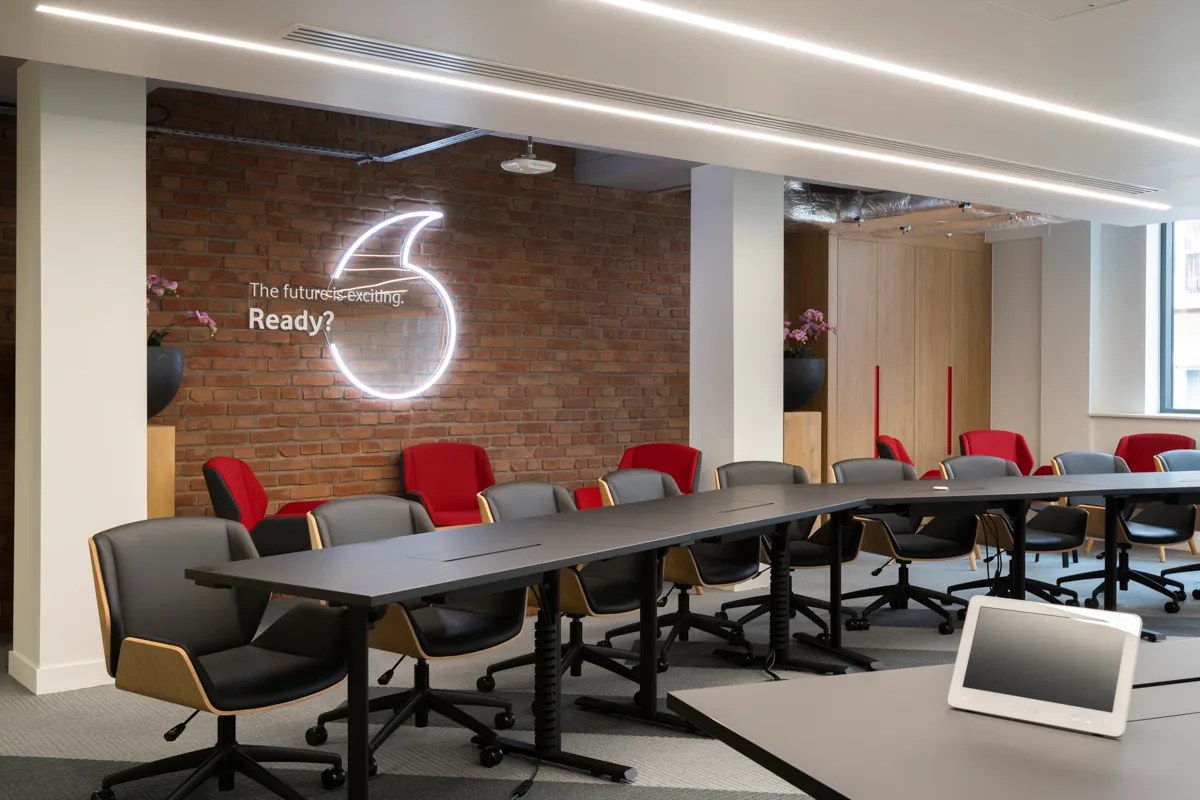
Ergonomics extends beyond individual desks. Collaboration areas, meeting rooms and breakout spaces also benefit from furniture designed to support comfort and natural posture.
These environments are often shaped through thoughtful office design, where thoughtful furniture procurement supports a variety of activities rather than a single type of task.
How do you set up an ergonomic workstation?
Setting up an ergonomic workstation involves aligning furniture and equipment with the natural position of the body.
A typical ergonomic workstation includes:
A chair adjusted so feet rest flat on the floor
A desk height that allows elbows to sit at approximately 90 degrees
A monitor positioned at eye level
A keyboard and mouse positioned so wrists remain neutral
Research suggests that small adjustments to workstation layout can significantly reduce strain on the neck, shoulders and back during long periods of computer use.
Encouraging employees to adjust their workstations and change posture regularly is also an important part of ergonomic working.
Ergonomics in hybrid workplaces
Hybrid working has introduced new considerations for workplace ergonomics. Employees now divide their time between home and office environments, often working at multiple desks.
This makes flexibility essential. Adjustable desks, adaptable chairs and shared workstations allow individuals to quickly configure a workspace that suits their needs.
Workplaces increasingly prioritise flexibility so that employees can work comfortably regardless of where they sit.
Ergonomics beyond the desk
When people think about ergonomic furniture, they often focus on desk setups. In reality, ergonomics applies across the entire workplace.
Meeting rooms, collaboration areas and informal workspaces should all support comfort and usability. Seating that encourages relaxed posture, tables positioned at appropriate heights and layouts that allow natural movement all contribute to better workplace ergonomics.
In many modern offices, lessons from hospitality design are also influencing workplace environments, helping create spaces that are comfortable, welcoming and easy to use.
The role of furniture consultancy in ergonomic workplaces
Creating an ergonomic workplace involves more than simply choosing the right chair or desk. It requires a coordinated approach that considers how people move through and interact with their environment.
Furniture consultancy helps organisations analyse how employees use their workplace, identify potential ergonomic issues and develop furniture strategies that support healthier working habits.
This process may involve ergonomic audits, workspace planning and furniture specification, ensuring that the workplace supports both operational needs and employee wellbeing.
Common ergonomic mistakes organisations make
Despite growing awareness of ergonomics, many workplaces still fall into common traps.
One of the most frequent mistakes is focusing solely on chairs. While seating is important, ergonomics also involves desk height, monitor positioning, lighting and overall workspace layout.
Another issue is overlooking adjustability. Furniture that cannot easily adapt to different users may suit some people but cause discomfort for others.
Finally, organisations sometimes invest in ergonomic furniture without providing guidance on how to use it properly. Without basic ergonomic awareness, employees may not take full advantage of the features available to them.
Does ergonomic furniture improve productivity?
Yes, and the connection between comfort and productivity is well documented.
When employees experience physical discomfort, it can become difficult to maintain concentration. Ergonomic furniture helps reduce these distractions by supporting better posture and movement throughout the working day.
Research has found that ergonomic workstation improvements can significantly reduce discomfort while improving productivity among computer users.
For organisations investing in workplace improvements, ergonomics can therefore support both employee wellbeing and overall business performance.
The future of ergonomic workplace design
As workplace expectations continue to develop, the integration of ergonomics into the modern workplace is no longer a ‘nice to have' and is rapidly becoming an expectation. Future workplaces are increasingly focused on movement, flexibility and wellbeing. Adjustable workstations, flexible furniture systems and environments that encourage natural movement are becoming more common.
Technology is also playing a growing role. Data from workplace sensors and utilisation analytics can help organisations refine layouts and improve how spaces are used.
Ultimately, the future of ergonomic design lies in creating workplaces that respond dynamically to how people work.
Ergonomic furniture as part of a workplace strategy
Ergonomic furniture represents an important step toward healthier and more effective workplaces. By supporting better posture, encouraging movement and reducing strain, well-designed furniture can have a meaningful impact on employee wellbeing and productivity.
However, the most successful ergonomic environments rarely emerge from individual furniture purchases alone. They are the result of a broader workplace strategy that considers how people work, collaborate and move throughout the office.
At Sketch Studios, we help organisations take a strategic approach to workplace environments through furniture consultancy and furniture procurement.
By aligning ergonomic principles with thoughtful furniture planning and installation, we create environments that support both people and performance. To see how we can help your workplace, get in touch with us today.
Published on
June 2, 2026


